
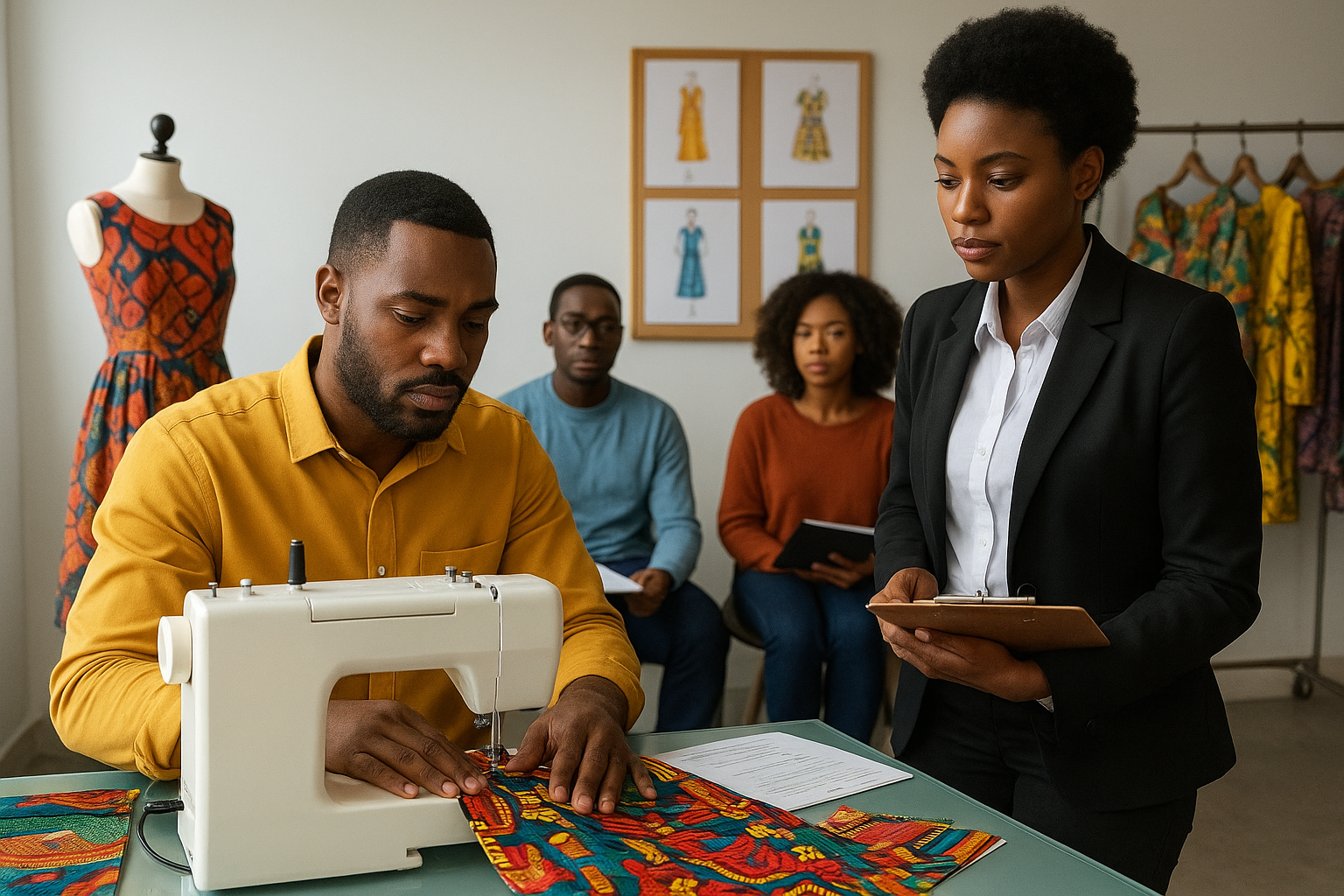
The fashion industry is one of the most dynamic sectors in the global economy, blending creativity, business, and innovation. In Nigeria and across Africa, the fashion industry has grown rapidly, creating opportunities for designers, stylists, models, tailors, photographers, and countless other professionals. However, with this growth comes an important legal question: what is the employment status of workers in the fashion industry?
At Cardinal Counsel, we frequently advise fashion entrepreneurs, brands, and creative professionals on issues relating to employment status. Whether you are hiring talent or offering your services as a creative, understanding employment status is crucial. It determines your rights, responsibilities, and legal protections under the law.
What is Employment Status?
Employment status refers to the legal classification of a worker. It defines the relationship between the worker and the business, and it affects issues such as:
- Employment rights (e.g., sick leave, maternity leave, pensions)
- Tax obligations
- Entitlement to minimum wage or overtime pay
- Legal remedies in disputes
Broadly, employment status is divided into:
- Employees
Workers who are hired under a contract of service, with structured working conditions, regular wages, and employment benefits. - Independent Contractors / Freelancers
Workers who provide services under a contract for service, often paid per project, with no entitlement to employment benefits. - Interns and Apprentices
Workers engaged for training and skill acquisition, sometimes paid, sometimes unpaid.
In fashion, all three categories are common. For example, a designer may employ tailors as full-time staff, hire models as freelancers, and take on interns to assist during fashion week.
Why Employment Status Matters in the Fashion Industry
Employment status is more than a label—it has real consequences for both businesses and workers.
- For Fashion Businesses:
Misclassifying employees as freelancers can lead to legal penalties, disputes, and reputational damage. - For Fashion Workers:
Not understanding your employment status can mean missing out on rights such as pension contributions, leave entitlements, and protection against unfair dismissal.
In short, employment status determines rights and responsibilities on both sides.
Common Employment Relationships in Fashion
The fashion industry is unique because it combines traditional employment structures with flexible, project-based work. Below are the most common categories:
1. Full-Time Employees
Examples: in-house tailors, administrative staff, retail sales assistants, production managers.
These workers usually have employment contracts, regular salaries, and entitlement to statutory benefits under Nigerian labour law.
2. Freelancers / Independent Contractors
Examples: stylists, makeup artists, models, fashion photographers, freelance designers.
They are usually engaged per project or per day. Freelancers typically handle their own taxes and do not enjoy statutory employment benefits. However, they often negotiate higher rates to compensate.
3. Part-Time Workers
Examples: seasonal sales assistants in fashion stores, temporary fashion show staff.
They work fewer hours but may still qualify as employees depending on the terms of the contract.
4. Interns and Apprentices
Examples: student interns working at fashion houses, apprentices learning tailoring or beading.
Their rights depend on whether they are classified as employees or trainees. Even unpaid interns are entitled to certain protections under Nigerian law.
Key Legal Issues Around Employment Status in Fashion
1. Contracts
The biggest source of disputes in the fashion industry is the absence of written contracts. Many designers engage tailors, stylists, or models on informal terms, leaving both sides vulnerable.
Solution: Always have a written agreement—whether it’s an employment contract or a freelance service agreement.
2. Intellectual Property (IP) Rights
Who owns the designs created during the employment? For employees, IP rights usually belong to the employer. For freelancers, ownership must be clearly defined in the contract.
3. Wages and Payment
The National Minimum Wage Act in Nigeria applies to employees, not freelancers. Disputes often arise when workers are paid late or below agreed rates.
4. Taxation
Employees are taxed under the PAYE (Pay As You Earn) system, while freelancers must pay personal income tax themselves. Businesses that misclassify workers risk penalties from tax authorities.
5. Termination of Employment
Employees enjoy statutory protection against unfair dismissal, while freelancers are only protected by the terms of their contract.
Employment Status Challenges in the Nigerian Fashion Industry
While the Nigerian fashion industry is growing, it still faces structural and legal challenges relating to employment:
- High Informality: Many fashion businesses operate without formal contracts.
- Freelancer Exploitation: Models, stylists, and interns are often underpaid or not paid at all.
- Unclear Rights for Apprentices: Apprenticeships are common in tailoring, but many lack clear legal recognition.
- International Disputes: Nigerian fashion brands working with foreign models or freelancers often face cross-border legal issues.
How to Protect Yourself as a Fashion Business Owner
If you run a fashion brand, boutique, or creative agency, here are steps to avoid legal problems:
- Use Clear Contracts
Every worker—whether employee or freelancer—should have a written agreement. - Classify Workers Correctly
Don’t treat full-time staff as freelancers to avoid paying benefits—it could lead to labour disputes. - Respect Employment Rights
Ensure employees receive the statutory benefits required under Nigerian law. - Protect Intellectual Property
Make sure contracts clarify ownership of designs, photographs, and creative work. - Engage Legal Counsel
A lawyer experienced in fashion law can draft contracts and advise on employment structures that reduce risk.
How to Protect Yourself as a Fashion Worker
If you are a designer, model, or creative professional in fashion, here are tips to safeguard your rights:
- Know Your Status
Are you an employee, a freelancer, or an intern? Your rights depend on this. - Ask for a Contract
Never work without a written agreement—verbal promises are difficult to enforce. - Negotiate Your Terms
As a freelancer, set clear payment terms, timelines, and ownership rights. - Keep Records
Save emails, invoices, and messages as evidence in case of disputes. - Seek Legal Advice
If unsure, consult a lawyer familiar with the fashion industry.
Why Employment Status Requires Fashion Law Expertise
Employment law is broad, but applying it to fashion requires industry-specific knowledge. A designer’s dispute with an in-house tailor is different from a model’s unpaid fee after a runway show.
At Cardinal Counsel, we specialize in advising fashion entrepreneurs and professionals on employment law, intellectual property, and business disputes. Our expertise ensures that contracts reflect the unique realities of the fashion industry—balancing creativity with legal protection.
Conclusion
The employment status of workers in the fashion industry is a critical issue that affects rights, responsibilities, and business sustainability. For fashion businesses, correctly classifying workers and using clear contracts helps avoid costly disputes. For fashion professionals, understanding whether you are an employee, freelancer, or intern is essential for protecting your rights.
As the Nigerian and African fashion industries continue to grow, getting employment status right will be key to building fair, sustainable, and legally compliant businesses.
At Cardinal Counsel, we are committed to guiding fashion brands, entrepreneurs, and creatives through these complexities—helping them thrive while staying legally protected.
If you need advice on employment contracts, freelance agreements, or labour rights in fashion, contact us today.