Ghostwriting Agreements: What Every Nigerian Ghostwriter Needs in Their Contract
If you’ve ever been approached to ghostwrite a book, whether a memoir, a business book, or a novel someone else will put their name to, the contract governing that relationship is what actually protects you, and your client, once the writing begins. Here are the essential terms every Nigerian ghostwriter should ensure their next agreement […]
Launching an Academic Journal in Nigeria: ISSN Registration, Trademark Protection, and the Legal Groundwork Most Founders Skip
Launching an academic journal means clearing two separate legal hurdles most founders assume are the same thing. An ISSN catalogues your journal. A trademark protects its name. Here’s why you need both, and why skipping either one puts decades of future citation and reputation at risk.
Expanding Your Nigerian Art Gallery Business Abroad: The Legal Foundations Before You Go International
Nigerian galleries are increasingly looking beyond Lagos, Abuja, and the domestic market entirely, toward satellite spaces abroad, international art fair participation, and formal partnerships with foreign galleries. This is a genuine, achievable growth path, but expanding a gallery business internationally raises structural legal questions that go well beyond simply shipping artwork across a border. Getting […]
Taking Your Nigerian Art Gallery Abroad: What Your Art Lawyer Needs You to Know
Nigerian contemporary art has never had more international attention. Galleries are exhibiting at international art fairs, artists are securing gallery representation abroad, and collectors overseas are increasingly seeking out Nigerian and West African work. But taking a gallery, an artist’s practice, or a single significant piece across an international border involves real legal terrain most […]
When a Celebrity Wears Your Brand: The Legal Side of Fashion’s Most Powerful Marketing Tool
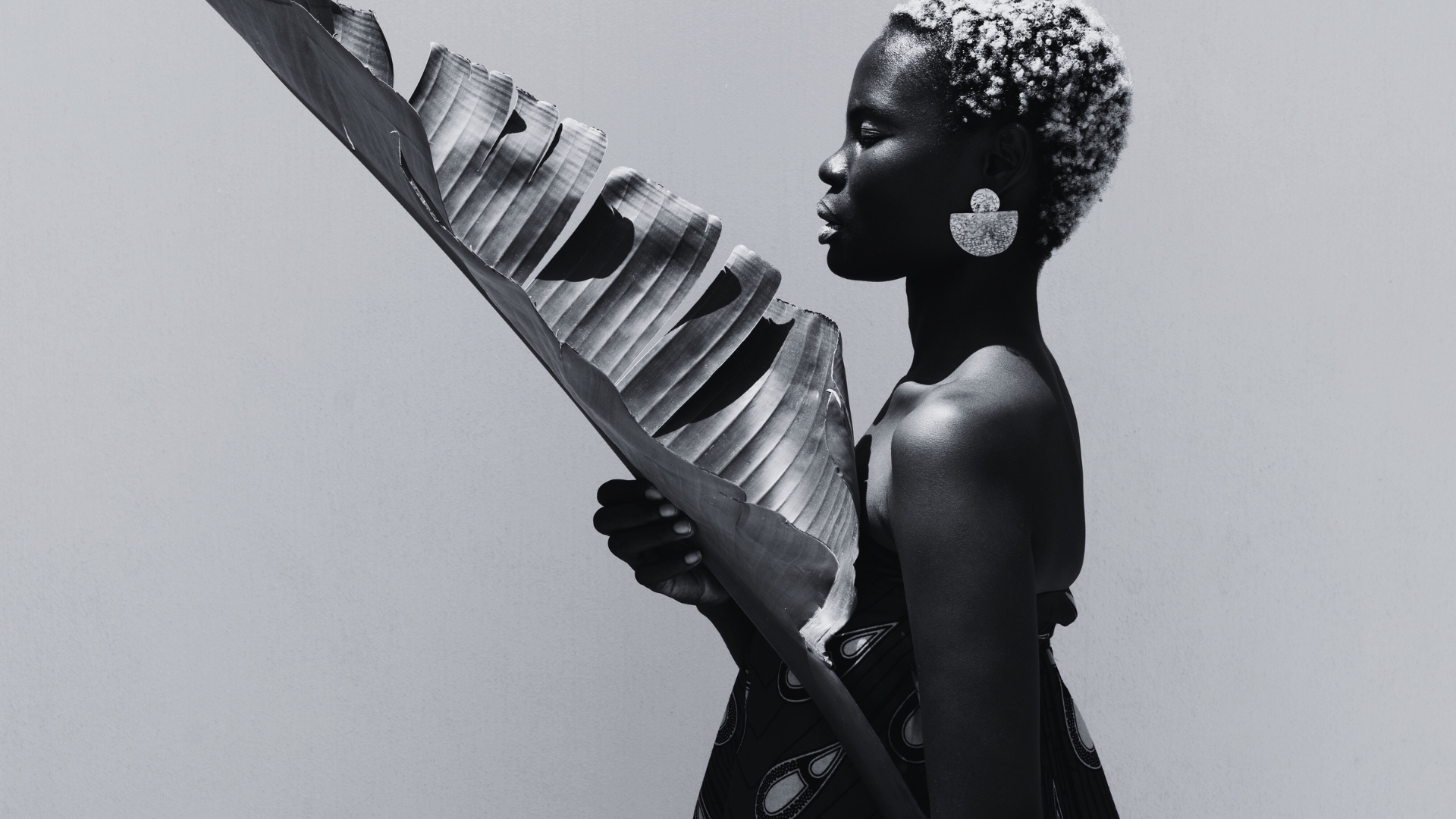
In fashion, a single photograph can change everything. A musician steps out in an unknown designer’s coat. A royal chooses a dress from a small British label. An actress wears something on screen that viewers spend months trying to track down. Within hours, a brand that existed only within industry circles becomes a name everyone […]
Publishing Contract Review and Negotiation
Cardinal Counsel drafts, reviews, and negotiates the full range of publishing agreements Nigerian authors, editors, agents, and publishing companies encounter throughout the life of a book, from first draft to distribution. Traditional and Hybrid Publishing AgreementsThe core contract between an author and a publisher, governing royalty rates, rights granted, print runs, and reversion terms, reviewed […]
How Can I Protect My IP Within the Nigerian Food and Drink Industry?
Protecting your Intellectual Property (IP) Rights in Nigeria’s food and drinks industry is crucial. The market is highly competitive, and strong IP protection can be the key factor that sets your business apart. Think about it: how can you persuade a consumer who has never tasted your product to choose your goods over a competitor’s? […]
Can You Verbally Assign Intellectual Property Rights in Nigeria?
Intellectual Property In Nigeria, verbal assignments of intellectual property (IP) rights are generally not valid or enforceable. Intellectual property rights—including copyright, trademarks, patents, and industrial designs—are legally protected under Nigerian law, such as the Copyright Act, Trademarks Act, and Patents and Designs Act. The transfer of ownership of these rights requires a written agreement between […]
Intellectual Property in Your Fashion Business: A Guide for Nigerian Designers
Published: November 2, 2023 Intellectual Property The fashion industry thrives on creativity, innovation, and trendsetting. But it’s also highly competitive, with designers constantly facing the risk of copycats and brand dilution. Protecting your creative output is essential, and this is where intellectual property (IP) rights come into play. In this guide, we explore the key […]
Should I Use AI as My Lawyer?
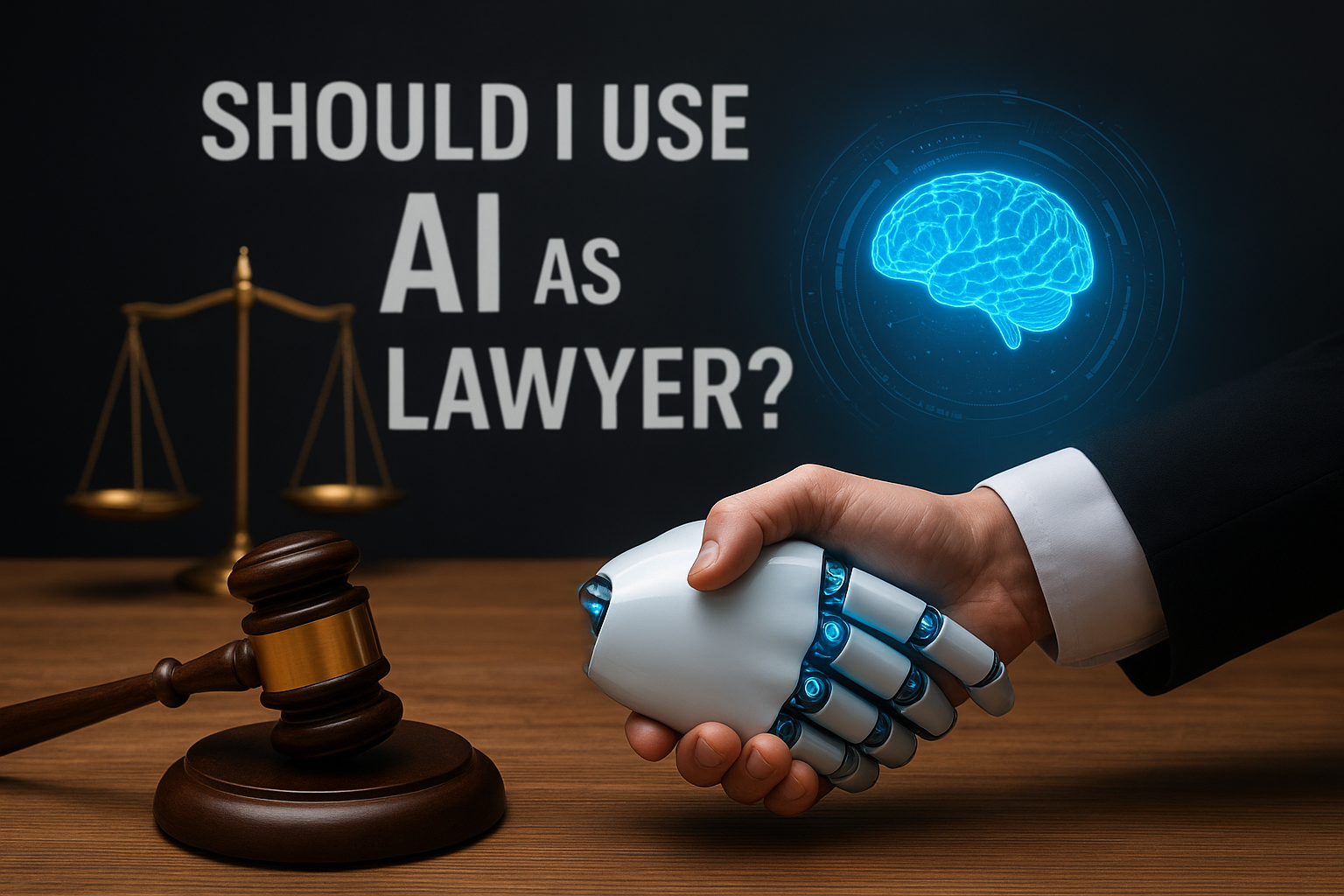
Artificial Intelligence (AI) is everywhere – from simplifying admin tasks to drafting content. But when it comes to legal advice, particularly in intellectual property (IP) and business law, the question arises: can AI really replace a lawyer?