
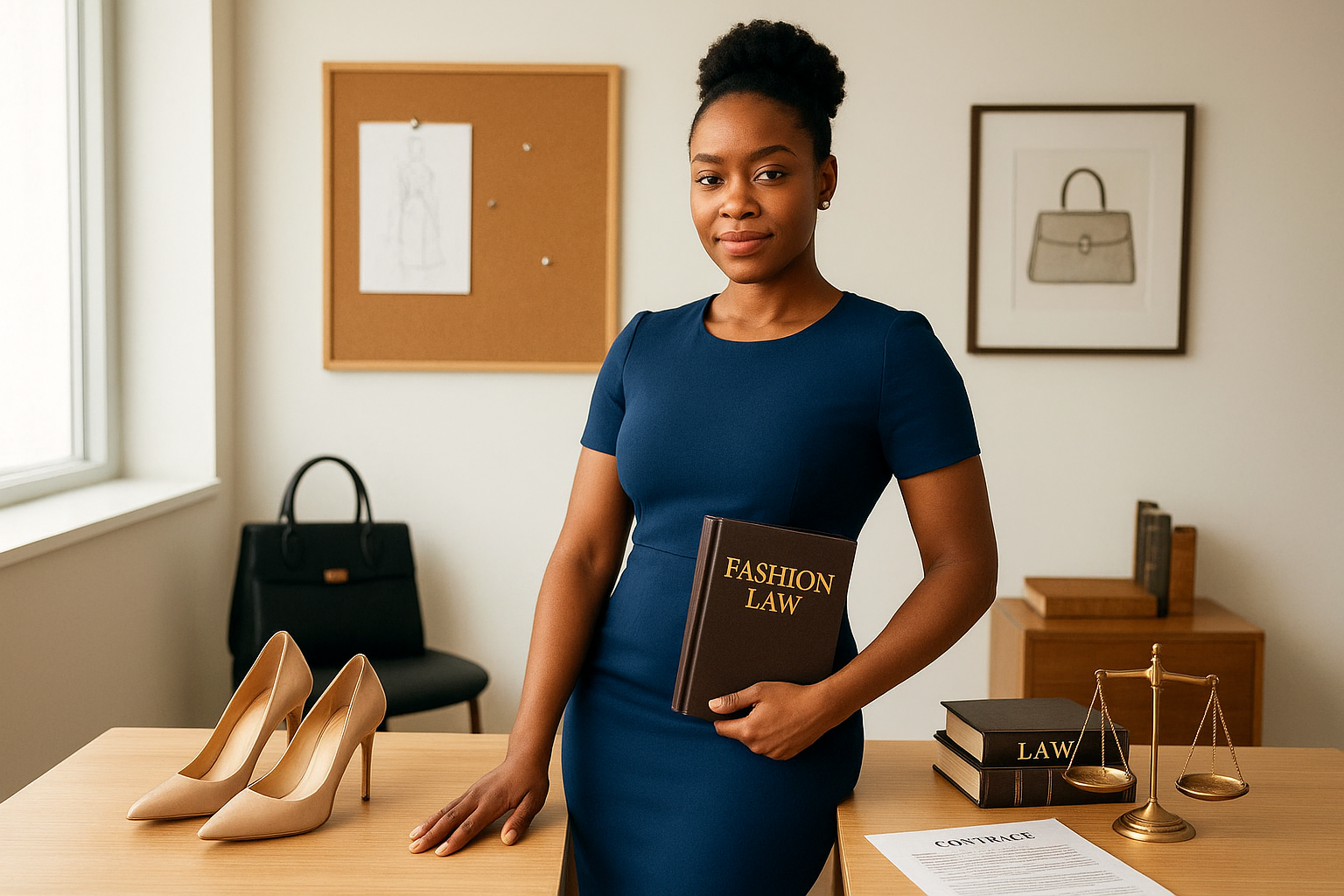
The fashion industry is no longer just about creativity, runways, and trends—it is a multi-billion-dollar global business. With the rise of e-commerce, influencer marketing, fast fashion, and international collaborations, fashion has become one of the most legally complex industries. Every collection, brand campaign, or retail expansion carries with it potential legal risks.
This is where a fashion lawyer becomes indispensable. At Cardinal Counsel, we guide fashion entrepreneurs, designers, models, retailers, and creative businesses through the legal challenges unique to this dynamic sector.
What is a Fashion Lawyer?
A fashion lawyer is a legal professional who specialises in the intersection of law, business, and the creative fashion industry. They advise and represent clients across the fashion ecosystem—designers, fashion houses, models, photographers, retailers, and manufacturers.
Unlike general commercial lawyers, fashion lawyers understand the nuances of the industry—from intellectual property to cross-border trade, influencer contracts to sustainability compliance—making them vital partners for businesses seeking to grow and stay protected.
The Skills Behind Fashion Law
Fashion lawyers combine strong legal expertise with deep industry knowledge. At Cardinal Counsel, our team brings together skills in:
- Contract negotiation – ensuring agreements with suppliers, collaborators, and influencers are fair and enforceable.
- Intellectual property (IP) protection – safeguarding designs, trademarks, and brand assets.
- Employment law – managing designer, model, and staff contracts within compliance frameworks.
- International trade law – advising on import/export duties, trade agreements, and global retail expansion.
- Dispute resolution – settling disputes quickly, from trademark infringements to partnership fallouts.
This blend of legal acumen and commercial awareness ensures our clients thrive both creatively and commercially.
What Does a Fashion Lawyer Do?
The responsibilities of a fashion lawyer are broad but always focused on protecting creativity, minimising risk, and enabling business growth.
1. Contract Negotiation and Review
Contracts form the backbone of the fashion industry—covering everything from licensing and collaborations to retail partnerships and influencer campaigns. A fashion lawyer ensures contracts are watertight, balanced, and enforceable.
2. Intellectual Property Protection
Original designs are the lifeblood of the fashion world. Without protection, they are vulnerable to counterfeiting and copycats. Fashion lawyers help brands register trademarks, copyrights, and design rights in Nigeria and internationally. They also defend against infringement to secure a brand’s market position.
3. Employment and Talent Management
The industry relies on diverse talent: designers, seamstresses, models, photographers, and marketers. A fashion lawyer ensures employment contracts comply with labour laws, prevent disputes, and safeguard both employers and employees.
4. Regulatory Compliance
Fashion is increasingly regulated. From consumer protection laws to advertising standards and environmental sustainability rules, compliance is non-negotiable. Fashion lawyers help clients align with laws to avoid penalties and reputational damage.
5. Litigation and Dispute Resolution
Disputes are inevitable—whether with suppliers, retailers, collaborators, or competitors. A fashion lawyer represents clients in court, arbitration, or mediation to achieve favourable outcomes without disrupting business.
Why Do Fashion Companies Need Lawyers?
Fashion businesses face unique challenges, and legal support is essential in several key areas:
- Intellectual Property Protection – safeguarding designs, logos, and creative assets.
- Contract Management – ensuring licensing, collaboration, and supplier agreements work in the brand’s favour.
- Compliance – navigating labour, trade, sustainability, and consumer protection laws.
- Dispute Handling – resolving conflicts efficiently to protect reputation and business continuity.
- E-commerce and Digital Marketing – managing issues like online advertising, data protection, and global sales.
Simply put: fashion companies cannot afford to overlook legal protection.
How Cardinal Counsel Supports Fashion Businesses
At Cardinal Counsel, we are more than legal advisers—we are strategic partners to fashion entrepreneurs and businesses. Our services include:
- Drafting and negotiating fashion contracts.
- Registering and enforcing intellectual property rights in Nigeria and abroad.
- Advising on international trade and export strategies.
- Guiding compliance with tax, labour, and advertising regulations.
- Representing clients in disputes and litigation.
- Providing ongoing legal advisory for fashion start-ups and established brands.
We understand the creative spirit of fashion but also the commercial and legal realities it faces. Our mission is to help our clients protect their artistry while building sustainable, profitable businesses.
Conclusion
The fashion industry thrives on creativity, but without strong legal protection, even the most brilliant ideas can be compromised. From safeguarding designs to managing global trade, a fashion lawyer ensures that creativity and commerce work hand in hand.
At Cardinal Counsel, we stand at the intersection of law and fashion, helping Nigerian and African brands compete with confidence on the global stage. If you are a fashion designer, entrepreneur, or creative business owner, don’t leave your success to chance. Contact Cardinal Counsel today for tailored legal solutions that protect your brand and empower your growth.