
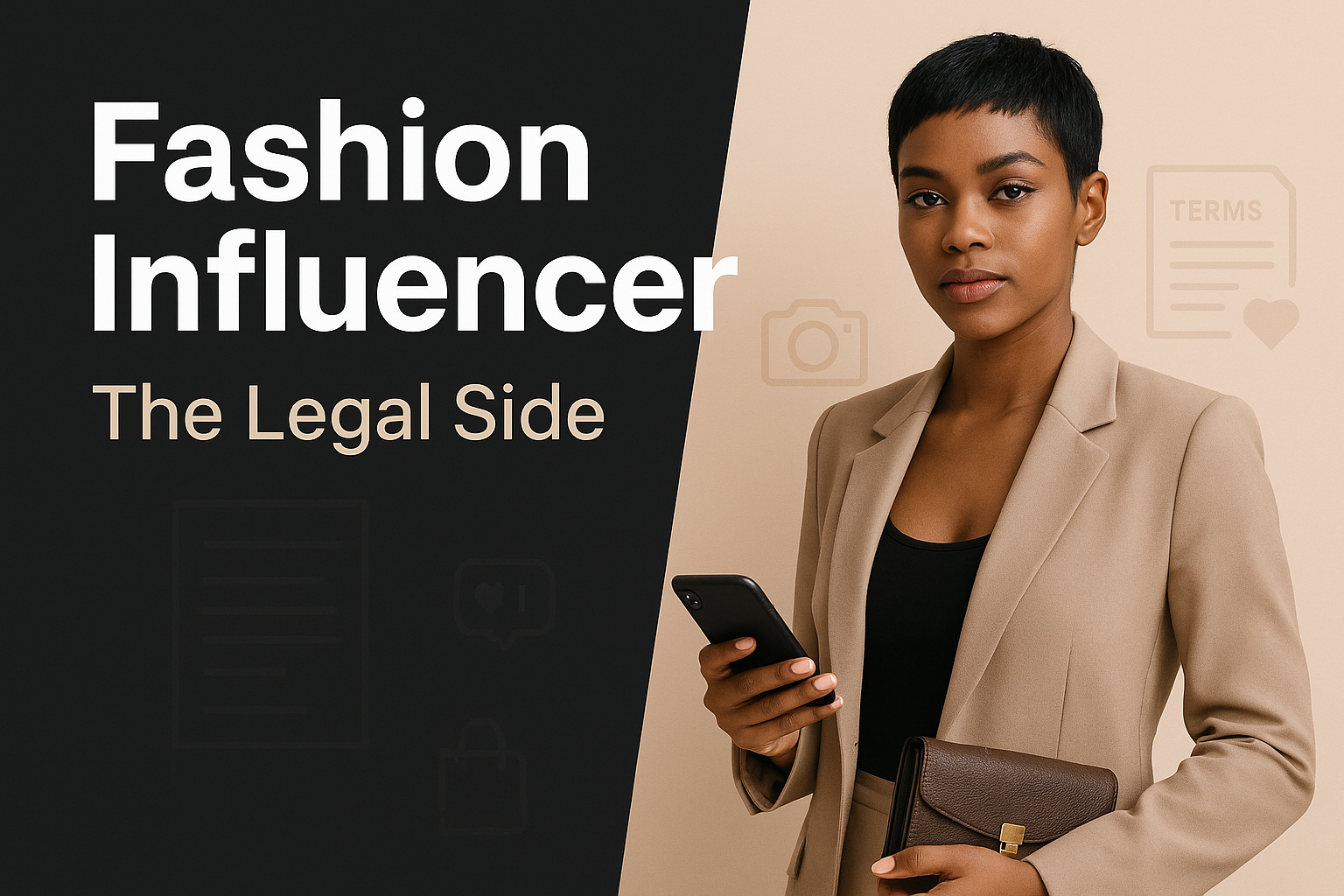
The global fashion industry has undergone a digital revolution. Traditional runway shows, glossy magazine spreads, and billboards are no longer the only ways fashion brands reach consumers. Today, fashion influencers—individuals who build loyal online followings and shape consumer tastes—play a central role in how brands communicate, market, and sell their products. In Nigeria and across Africa, this phenomenon is reshaping the industry, giving rise to a new economy of influencer marketing.
But while the business of influencing can be lucrative, it also comes with legal risks and obligations that both influencers and brands must understand. From influencer contracts and intellectual property rights to advertising disclosure rules and tax considerations, the legal side of fashion influencing is complex and fast-evolving.
At Cardinal Counsel, where we specialise in fashion law and creative industry legal advisory, we often encounter questions from influencers and fashion entrepreneurs such as:
- What happens if a brand doesn’t pay me for a campaign?
- Can I repost a designer’s look without permission?
- Do I have to disclose a paid partnership on Instagram or TikTok?
- How do I protect my personal brand as intellectual property?
This article explores these issues comprehensively, offering fashion influencers and brands in Nigeria (and beyond) a clear guide to the legal landscape of influencer marketing.
1. The Rise of Fashion Influencers in Nigeria
The Nigerian fashion industry is one of the most dynamic in Africa, with Lagos often described as the continent’s fashion capital. Social media has amplified this growth. Platforms like Instagram, TikTok, and YouTube have created a direct channel between Nigerian influencers and millions of followers worldwide.
For brands, influencers provide authenticity and reach—qualities that traditional advertising often lacks. For influencers, collaborations with fashion houses, beauty brands, and lifestyle companies provide income streams, sometimes rivaling or surpassing salaries in traditional employment.
However, as the business of influencing grows, so does scrutiny. Regulators, brands, and consumers expect professionalism and transparency. This is where the law meets fashion influencing.
2. Influencer Contracts: Protecting Your Interests
At the heart of every influencer-brand relationship is a contract. Yet, many Nigerian influencers still work without formal agreements, relying on emails, DMs, or verbal promises. This is risky.
A well-drafted influencer contract should address key issues such as:
- Scope of Work: What exactly is the influencer expected to do? Number of posts, type of content (photo, video, story), and platforms should be clearly defined.
- Payment Terms: Whether lump sum, per-post, or performance-based (e.g., affiliate commissions), payment terms should be transparent and enforceable.
- Exclusivity and Non-Compete: Brands often want influencers to avoid promoting competitors during and shortly after a campaign. This must be reasonable in scope and duration.
- Content Ownership: Who owns the content created—the influencer or the brand? Influencers must be wary of signing away all rights without fair compensation.
- Termination and Breach: What happens if either party defaults? Clear remedies and dispute resolution clauses are essential.
Without a contract, influencers face challenges such as non-payment, exploitation, or misuse of their content. At Cardinal Counsel, we advise influencers never to engage in paid collaborations without a binding written agreement.
3. Intellectual Property: Protecting Your Brand
For influencers, their name, image, likeness, and personal brand identity are their most valuable assets. These are forms of intellectual property (IP) that can—and should—be legally protected.
a. Trademarks
Influencers can register their stage names, logos, or brand slogans as trademarks under Nigerian law. For example, if an influencer is known by a unique brand name or catchphrase, trademark registration prevents others from exploiting it.
b. Copyright
The creative content influencers produce—photos, videos, blogs—is automatically protected by copyright law. However, influencers should be aware of licensing terms when working with brands. If a brand wants to use influencer-created content in advertising campaigns beyond social media (e.g., billboards, TV), this requires a separate licence and additional payment.
c. Image Rights
While Nigerian law does not yet provide a standalone “image rights” statute, influencers can rely on privacy laws, contract clauses, and passing-off actions to prevent unauthorised commercial use of their likeness.
By actively managing IP rights, influencers can create long-term value beyond short-term campaigns, positioning themselves as entrepreneurs rather than just social media personalities.
4. Advertising Disclosure Rules
A growing area of concern in influencer marketing is transparency in advertising. Regulators worldwide, including in Nigeria, are paying attention to whether consumers are misled by undisclosed paid promotions.
The Federal Competition and Consumer Protection Commission (FCCPC) in Nigeria requires truthful advertising. If an influencer is paid or gifted items to promote, they must disclose this clearly. Common disclosure practices include hashtags such as #ad, #sponsored, #paidpartnership.
Failure to disclose can lead to:
- Regulatory penalties for misleading advertising
- Reputational damage as followers perceive influencers as dishonest
- Loss of brand trust
For fashion influencers, who often rely on authenticity, transparency is not only a legal requirement but also a business advantage.
5. Tax Obligations for Fashion Influencers
Many Nigerian influencers underestimate the tax implications of their earnings. Payments received for brand collaborations, affiliate marketing, or even free gifts with monetary value may be taxable income.
Influencers are considered self-employed professionals, meaning they must:
- Register with the Federal Inland Revenue Service (FIRS)
- Declare all income, including cash and in-kind payments
- Pay Personal Income Tax (PIT) as required under Nigerian tax law
Failure to comply can attract back taxes, penalties, and interest. Building a legitimate career as an influencer requires being tax compliant.
6. Cross-Border Influencer Work
Many Nigerian fashion influencers work with international brands. These deals raise cross-border legal questions such as:
- Which country’s laws govern the contract?
- How will payment be made and taxed?
- What happens if a dispute arises with a foreign brand?
It is advisable for influencers to have contracts governed by Nigerian law or at least ensure that dispute resolution mechanisms (like arbitration) are neutral and enforceable.
7. Common Legal Pitfalls for Fashion Influencers
Based on our experience advising creative professionals, some recurring legal pitfalls for influencers include:
- No Contract in Place – leading to disputes over payment or deliverables.
- Unclear IP Rights – influencers often lose control over their own content.
- Failure to Disclose Ads – exposing them to consumer law violations.
- Tax Non-Compliance – leading to unexpected liabilities.
- Overly Restrictive Exclusivity Clauses – limiting future collaborations unnecessarily.
Avoiding these pitfalls requires legal guidance and proactive contract management.
How Cardinal Counsel Supports Fashion Influencers
At Cardinal Counsel, we understand the unique challenges of the fashion and creative industries in Nigeria and Africa. Our fashion law practice supports influencers, designers, and brands by:
- Drafting and reviewing influencer contracts
- Advising on intellectual property protection
- Ensuring compliance with advertising and consumer protection laws
- Assisting with tax structuring and compliance
- Handling dispute resolution between influencers and brands
We see influencers not just as content creators but as entrepreneurs building valuable brands. With the right legal foundation, fashion influencers can safeguard their interests and maximise their earning potential.
Conclusion
The rise of fashion influencers has transformed how fashion brands engage with consumers in Nigeria and across Africa. But success in this space is not just about aesthetics and engagement metrics—it is also about legal awareness and protection.
From contracts and IP rights to disclosure rules and tax obligations, the legal side of influencing is critical to building a sustainable career. Influencers who take these issues seriously will not only avoid disputes but also strengthen their personal brands as trusted, professional partners.
At Cardinal Counsel, we specialise in guiding influencers and fashion entrepreneurs through these legal complexities. Whether you are negotiating your first brand collaboration or scaling into a global influencer business, our fashion law team can help you navigate the legal side with confidence.
Ready to secure your influencer career? Contact Cardinal Counsel today for expert legal support in fashion, intellectual property, and influencer law.