
The Riyadh Design Law Treaty (RDLT) – What You Should Know
The Riyadh Design Law Treaty (RDLT), adopted on 22 November 2024 under the auspices of the World Intellectual Property Organization (WIPO), represents one of the most significant developments in global design protection in recent years. Its core aim is to simplify, harmonize, and modernize international design law procedures, making it easier for creators, designers, and businesses to secure and enforce design rights across multiple jurisdictions.
How Artists Can Utilise Copyright and Designs in Nigeria

In Nigeria, copyright and design rights are the primary intellectual property (IP) tools available to protect artistic works and creative output. An artist who understands and strategically uses these rights is better positioned to safeguard their work, commercialise it, and enforce their interests when infringement occurs.
How Do I Know if My Design Already Exists in Nigeria?

If you are a Nigerian fashion entrepreneur, furniture maker, product designer, or tech founder, protecting your design is one of the smartest legal steps you can take. But a question we often hear at Cardinal Counsel is:
FG Inaugurates Sector Skills Council to Revive Nigeria’s Fashion and Textile Industry
In a significant move to bolster Nigeria’s fashion and textile sector, the Federal Government has inaugurated a 30-member Sector Skills Council for Fashion, Leatherwork, and Accessories. This initiative is aimed at revitalising the industry, addressing the high reliance on imported textiles, and equipping young Nigerians with the skills needed for self-reliance and global competitiveness.
Sustainable Fashion Law Update: Critical Legislation and Compliance Requirements for 2025

The fashion industry is undergoing a profound transformation, driven not only by consumer demand for ethical and sustainable products but also by regulatory pressures. For 2025, fashion brands, designers, and retailers operating in Nigeria and across Africa must navigate an evolving legal landscape designed to promote environmental responsibility, ethical labour practices, and sustainable production processes. Staying informed and compliant is critical to protecting brand reputation, avoiding legal penalties, and positioning for long-term growth in an increasingly eco-conscious global market.
The Essential Role of a Fashion Lawyer – Cardinal Counsel

The fashion industry is no longer just about creativity, runways, and trends—it is a multi-billion-dollar global business. With the rise of e-commerce, influencer marketing, fast fashion, and international collaborations, fashion has become one of the most legally complex industries. Every collection, brand campaign, or retail expansion carries with it potential legal risks.
Understanding Taxes for Fashion Entrepreneurs

Taxes can feel overwhelming for many fashion entrepreneurs, but understanding how they work is essential for building a sustainable business. From the moment you start selling clothes, accessories, or creative services, tax obligations come into play. Knowing what applies to your business helps you stay compliant, avoid penalties, and even take advantage of incentives designed for small and growing businesses.
The Future of African Fashion Exports Through Trade Agreements
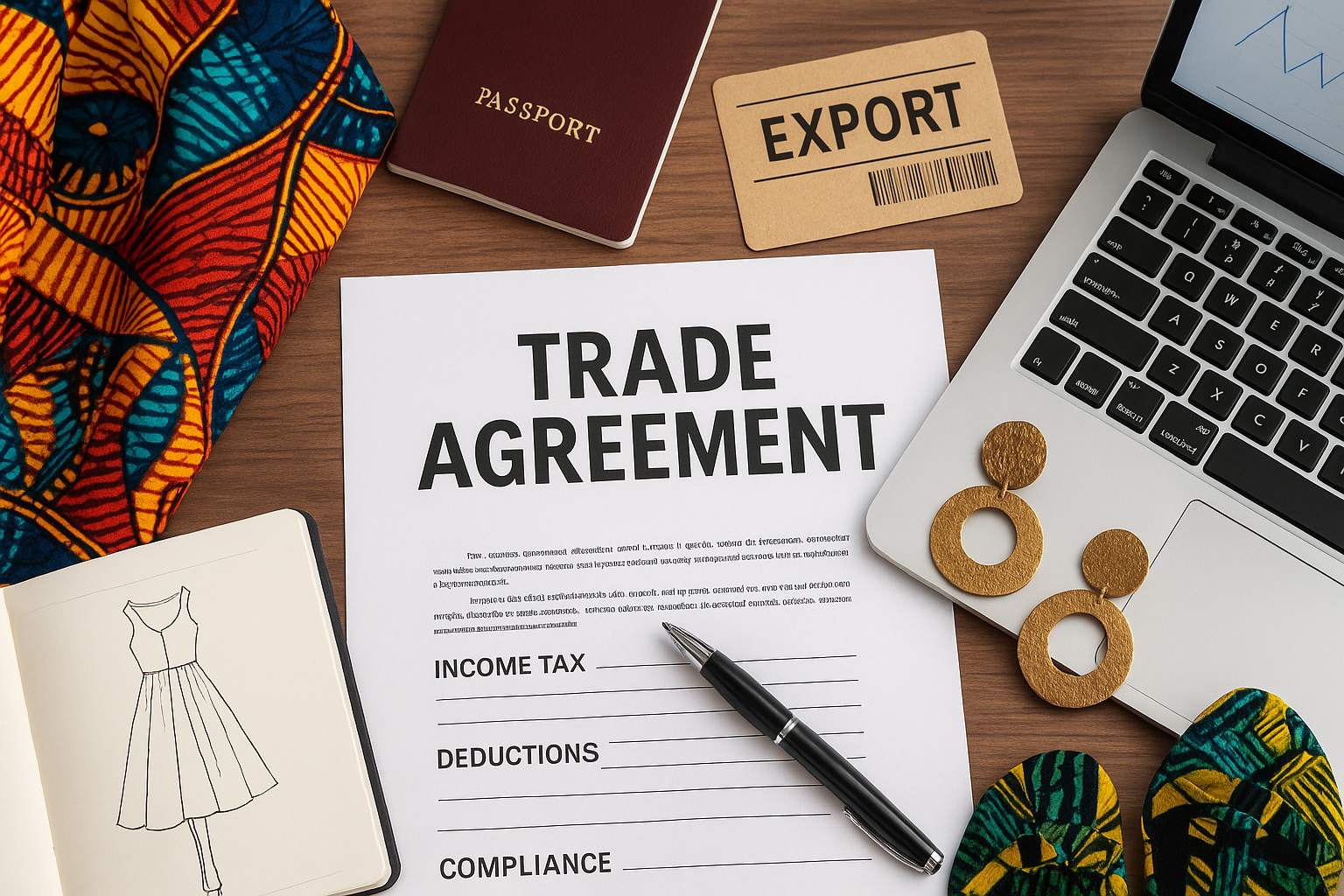
The African fashion industry has moved from being a cultural niche to becoming a global phenomenon. Nigerian, Ghanaian, South African, Kenyan, and other African designers now feature in international fashion weeks, collaborate with luxury houses, and sell to consumers worldwide. Despite the creative brilliance of African fashion, one of the major hurdles remains scaling exports in a competitive global market.
Fashion Law in Nigeria – The Legal Issues for the Fashion Industry Today
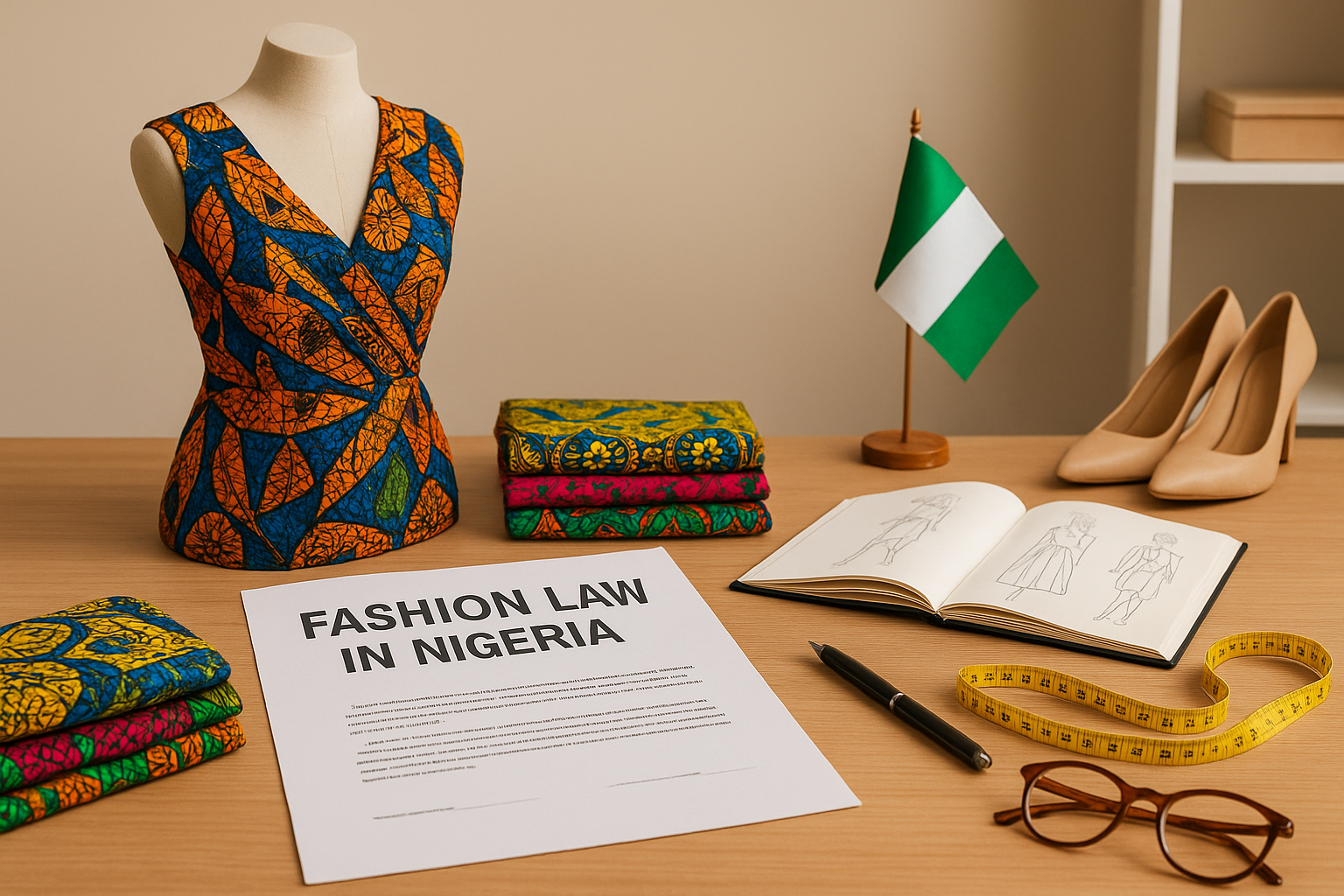
The Nigerian fashion industry has grown into a dynamic and globally recognized sector, celebrated for its creativity, cultural diversity, and economic potential. From Lagos Fashion Week to the rise of Nigerian fashion influencers, designers, and brands making waves internationally, the industry is thriving. However, with this growth comes a host of legal issues that fashion entrepreneurs, creatives, and businesses must navigate.
What Challenges Are Fashion Brands Facing Today? Unravelling In-House Legal and HR Issues

The global fashion industry is dynamic, glamorous, and constantly evolving. Yet behind the runway shows, glossy campaigns, and fast-moving consumer trends lies a web of complex legal and human resource (HR) challenges that fashion brands especially those in Africa must navigate daily.