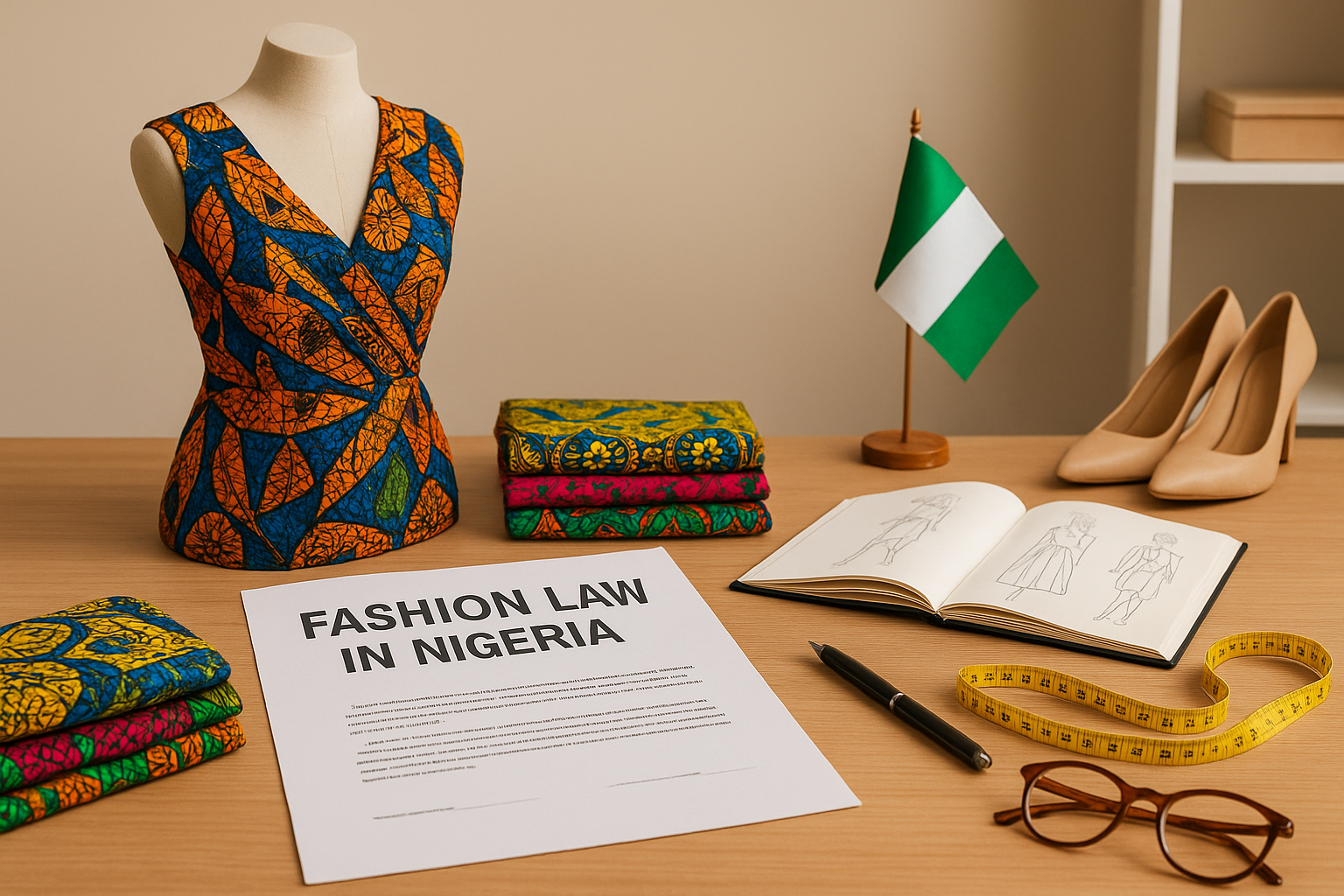
The Nigerian fashion industry has grown into a dynamic and globally recognized sector, celebrated for its creativity, cultural diversity, and economic potential. From Lagos Fashion Week to the rise of Nigerian fashion influencers, designers, and brands making waves internationally, the industry is thriving. However, with this growth comes a host of legal issues that fashion entrepreneurs, creatives, and businesses must navigate.
Fashion law in Nigeria is still an emerging field, yet it is becoming increasingly important as the industry professionalizes and attracts global attention. At Cardinal Counsel, we help fashion brands, designers, and creative entrepreneurs understand and manage the legal complexities of the industry. This article explores the key legal issues in the Nigerian fashion industry today—from intellectual property to employment law, contracts, and consumer protection.
1. Intellectual Property (IP) Protection in Fashion
One of the most pressing legal issues facing Nigerian fashion businesses is intellectual property protection. Fashion designs, logos, textile prints, and brand names are all vulnerable to copying and counterfeiting.
- Copyright: Protects original artistic works such as sketches, textile designs, and photographs. For designers, copyright is crucial for safeguarding creative expression.
- Trademarks: Protects brand names, logos, and slogans. A strong trademark ensures that a fashion brand is easily identifiable and distinguishable from counterfeit products.
- Design Rights: Protect the shape, configuration, and aesthetics of garments or accessories.
Unfortunately, many Nigerian designers face widespread counterfeiting and design theft, both online and offline. Registering trademarks with the Trademarks, Patents and Designs Registry and enforcing IP rights is critical for brand growth.
2. Contractual Issues in the Fashion Industry
Contracts are the backbone of every successful fashion business. From supplier agreements to influencer partnerships, clear contracts reduce disputes and safeguard interests.
Key contracts in the Nigerian fashion industry include:
- Designer–Manufacturer Agreements: To ensure garment production quality, timelines, and exclusivity.
- Model and Talent Agreements: Covering usage rights, compensation, and image licensing.
- Influencer and Brand Collaboration Agreements: Defining deliverables, payment structures, exclusivity clauses, and social media obligations.
- Distribution and Agency Agreements: Ensuring fair terms for global partnerships.
Without robust contracts, fashion businesses risk losing revenue, brand reputation, and creative ownership.
3. Employment and Labour Law Issues
The Nigerian fashion industry employs thousands of workers—tailors, artisans, models, creative directors, and marketers. Unfortunately, many of these workers face challenges such as unclear employment terms, unpaid wages, or lack of social protection.
Fashion brands must comply with Nigerian labour laws, including:
- Employment Contracts: Clearly defining roles, compensation, benefits, and termination rights.
- Workplace Policies: Addressing health and safety, anti-harassment, and equal opportunity.
- Freelancer and Contractor Status: Many creatives work as independent contractors; clear contracts are needed to avoid misclassification disputes.
4. Consumer Protection and E-Commerce
The Consumer Protection Framework under the Federal Competition and Consumer Protection Commission (FCCPC) is another critical area for fashion brands. With the rise of e-commerce, fashion retailers must comply with rules relating to:
- Product quality and safety.
- Refund and return policies.
- Advertising and marketing regulations.
- Data privacy obligations for online shoppers.
Online fashion businesses, particularly those selling via Instagram and other digital platforms, must ensure compliance with consumer protection laws to build trust and avoid legal sanctions.
5. Sustainability and Ethical Fashion
Globally, sustainability has become a major trend in fashion law and policy. Nigerian fashion is no exception. With increasing awareness about environmental impact, waste reduction, and ethical labour practices, fashion brands are under pressure to adopt sustainable models.
Legal issues here include:
- Green Marketing Regulations: Brands must not mislead consumers with false sustainability claims (“greenwashing”).
- Waste Management Compliance: Especially for manufacturers and exporters.
- Fair Labour Practices: Ensuring artisans and workers are paid fairly and treated ethically.
6. International Trade and Export Challenges
Nigeria’s fashion industry is global, with many brands exporting to Europe, the U.S., and beyond. However, international trade brings its own set of legal issues:
- Customs Regulations: Ensuring compliance with Nigerian export rules.
- Rules of Origin: What qualifies as “Made in Nigeria”?
- Intellectual Property Abroad: Protecting trademarks in foreign markets.
- Taxation and Double Tax Agreements: Managing international transactions.
Nigerian brands seeking to expand globally must adopt international contracts that comply with foreign laws while protecting their interests.
7. Dispute Resolution in the Fashion Industry
Disputes are inevitable in the fast-moving world of fashion. Common disputes include:
- Breach of contract with suppliers or influencers.
- Counterfeiting and IP infringement.
- Employment disputes.
- Partnership breakdowns.
Resolving disputes through arbitration or mediation is often preferable in fashion, as it preserves relationships and avoids negative publicity.
8. The Role of Fashion Lawyers in Nigeria
As the industry matures, the role of fashion lawyers has become indispensable. At Cardinal Counsel, we provide tailored legal solutions for fashion businesses, including:
- Intellectual property registration and enforcement.
- Drafting and negotiating contracts.
- Employment and HR compliance.
- Consumer protection and e-commerce law.
- International trade and dispute resolution.
Fashion law is no longer a niche—it is central to the growth and sustainability of Nigerian fashion.
Conclusion
The Nigerian fashion industry is vibrant, creative, and globally competitive. Yet, it faces complex legal issues that can make or break a brand’s success. From intellectual property protection to contracts, consumer rights, employment law, and international trade, fashion entrepreneurs must understand the legal framework to protect their creativity and business.
At Cardinal Counsel, we are committed to guiding fashion brands, designers, and entrepreneurs through the legal challenges of today’s fashion industry. By proactively addressing these issues, Nigerian fashion can not only thrive locally but also stand strong on the global stage.