
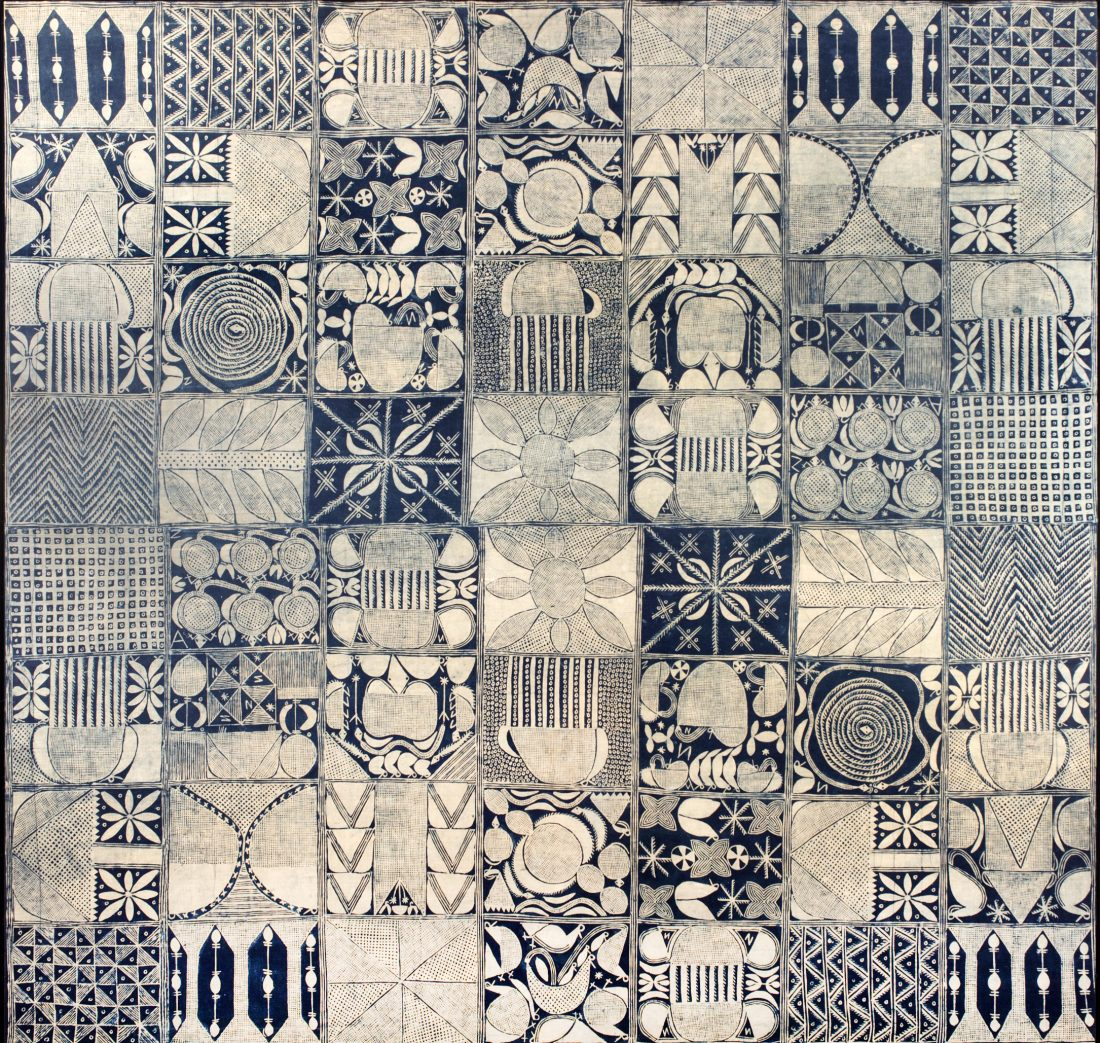
Adire has travelled a long way from the dye pits of Abeokuta. Today it appears on international runways, in global retail collections and across social media, and the worldwide market for tie-dye fashion is growing fast. For Nigeria, this is a moment of opportunity and of risk.
The opportunity is clear: a centuries-old Yoruba craft is now a global fashion language. The risk is that the value created by Adire flows elsewhere, to factories that print “Adire-style” fabric without hand-dyeing, to brands that use the name without any link to Nigerian makers, and away from the artisans whose skill created it.
Nigeria does not yet have a dedicated law protecting names like “Adire” in the way France protects Champagne. But brands, designers and artisans are not powerless while they wait. This guide explains what Adire is legally, what can be protected today, and how to work with Adire responsibly.
Who owns Adire?
No single person or company owns Adire. It is a traditional cultural expression, a shared heritage developed by communities over generations. That has three practical consequences:
- No one can claim exclusive rights over Adire as a technique or style. A brand cannot register “Adire” as its own trademark for clothing, because the word describes a type of textile that many makers produce.
- Specific new works can still be owned. A particular, original Adire pattern created by a named artisan or designer can be protected, even though the craft itself cannot.
- Communities have interests that the law is still catching up with. Nigeria’s Copyright Act 2022 recognises protection for expressions of folklore. A validated draft Geographical Indications Bill has been submitted to the Federal Ministry of Industry, Trade and Investment and is awaiting Federal Executive Council approval before it can go to the National Assembly. Until then, a full regime for protecting traditional textiles is still developing.
What brands and artisans can protect today
1. Your original patterns: copyright
Copyright protects original artistic works automatically under Nigerian law, with no registration required. A new Adire pattern, motif or composition can qualify if it is the maker’s own creative expression, not a copy of a traditional design.
To strengthen your position:
- keep dated records of sketches, stencils, resist patterns and finished pieces;
- photograph each design with the date it was created;
- consider using the Nigerian Copyright Commission’s voluntary notification system as additional evidence.
Copyright will not stop others using traditional motifs, which belong to the community. But it can stop someone reproducing your specific design.
2. Your brand name: trademarks
While “Adire” itself can’t be owned, your brand can. Register your business or collection name as a trademark at the Trademarks, Patents and Designs Registry, usually in Class 25 (clothing) and Class 24 (textiles). A registered brand lets customers know your Adire comes from you, and gives you a clear legal basis to act against imitators.
3. Collective authenticity: certification marks
This is the most powerful tool available to Adire makers right now, and the least used.
Under Section 43 of the Trade Marks Act, it is possible to register a certification mark: a sign showing that goods meet a defined standard. An association of Adire makers, a cooperative or a state-backed body could, for example, register a mark certifying that fabric is hand-dyed using traditional Adire methods in a defined area.
Only makers who meet the standard could use the mark. Buyers, in Nigeria and abroad, would have a reliable way to tell authentic hand-made Adire from industrial imitations.
A certification mark is not a full geographical indication, but it can deliver much of the same benefit today, and it builds the organisation and standards a future GI registration will need.
4. Honest labelling: false origin
Nigerian law already prohibits false or misleading descriptions of goods, including about where and how they were made. The Merchandise Marks Act prohibits false indications of origin, and the Federal Competition and Consumer Protection Act 2018 prohibits misleading representations to consumers. Selling machine-printed fabric as “hand-dyed Adire from Abeokuta” when it isn’t can expose a seller to liability. Brands should make sure that claims like “authentic Adire,” “hand-dyed” and “made in Nigeria” are true.
The bigger picture: geographical indications
A geographical indication (GI) protects a product name linked to a specific place, where the product’s quality or reputation comes from that origin. It is why only sparkling wine from Champagne can be called “Champagne.” Internationally, GIs are recognised under the World Trade Organization’s TRIPS Agreement and supported through systems overseen by the World Intellectual Property Organization.
Ghana shows what’s possible. Kente weaving was inscribed on UNESCO’s list of the Intangible Cultural Heritage of Humanity, and Kente has since been registered as a geographical indication in Ghana. Only cloth made by registered weavers in recognised areas can now be sold as “Kente.”
For Adire, a similar path would mean:
- cultural recognition, including a possible nomination to UNESCO’s Intangible Cultural Heritage lists;
- domestic GI legislation, so that “Adire” can be registered as a protected name in Nigeria. This depends on the draft GI Bill completing its journey from Federal Executive Council approval to passage by the National Assembly;
- international protection, so that the name is respected in export markets.
Until a GI law is in force, the certification-mark route, strong branding and honest labelling are the practical tools available. For our full policy recommendations, read our paper, Owning the Thread: A Policy Framework for Protecting Adire and Nigeria’s Textile Heritage.
Working with Adire responsibly: a guide for brands
Global and local brands increasingly want to include Adire in their collections. Done well, this can bring significant income to artisan communities. Done badly, it can become appropriation, and a reputational risk. Best practice includes:
- Work directly with artisans or cooperatives, and put the relationship in a written agreement covering pricing, quantities, timelines and quality.
- Agree IP ownership clearly. If an artisan creates a new pattern for your collection, decide in writing who owns it, and how the artisan is credited and paid if it is reused.
- Credit the source. Name the craft, the community and, where possible, the makers.
- Don’t misrepresent production. If fabric is printed rather than hand-dyed, say so.
- Consider benefit-sharing, for example a percentage of sales supporting the artisan community or training.
A checklist for Adire makers and brands
- ☐ Keep dated records and photographs of every original design
- ☐ Register your brand name as a trademark in Classes 24 and 25
- ☐ Use written agreements with artisans, designers and buyers, including IP ownership
- ☐ Make sure “hand-dyed,” “authentic Adire” and “made in Nigeria” claims are true
- ☐ Join or form an artisan association, the foundation for a certification mark or future GI
- ☐ Credit the craft and community when using Adire in collections
How Cardinal Counsel can help
Cardinal Counsel advises fashion brands, designers, artisan groups and cultural organisations on protecting heritage-based fashion. We register trademarks and certification marks, draft artisan and collaboration agreements with fair IP and benefit-sharing terms, and advise on cultural heritage and intellectual property. Before launching an Adire collection, also see our guide to reviewing a collection for IP risk.
Working with Adire? Contact us at info@cardinalcounsel.co to protect your designs, your brand and the makers behind them.
This article provides general information and is not legal advice.